
Dating Profile Photos for Bumble, Tinder, and Hinge
Dating profile photos for Bumble, Tinder, and Hinge — built around one real upload of you. PicCanvas takes the photo you already have and refines the things that move the needle on a dating profile: lighting, background, outfit cohesion, framing. Your face stays exactly your face. Facial structure, ethnicity, age, gender — all preserved. The photo you upload is still you, just photographed under better conditions.
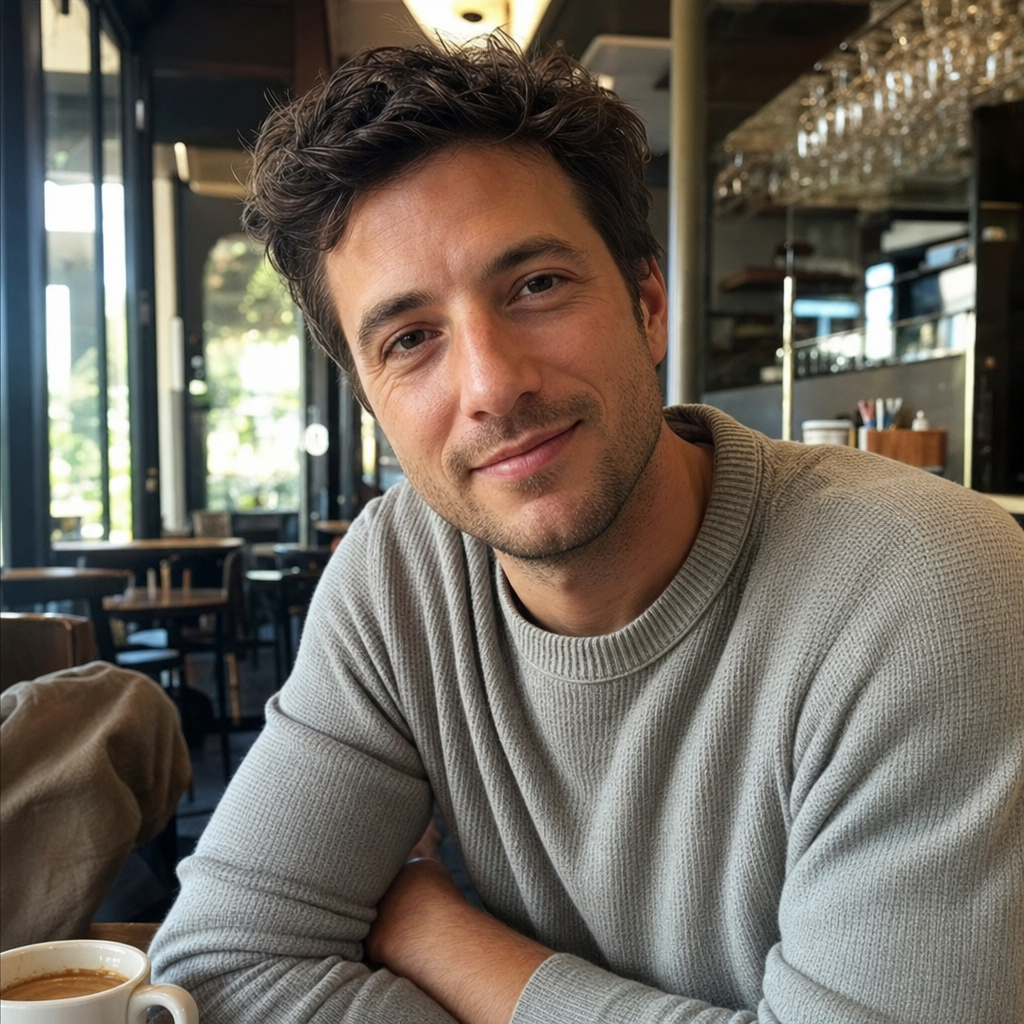
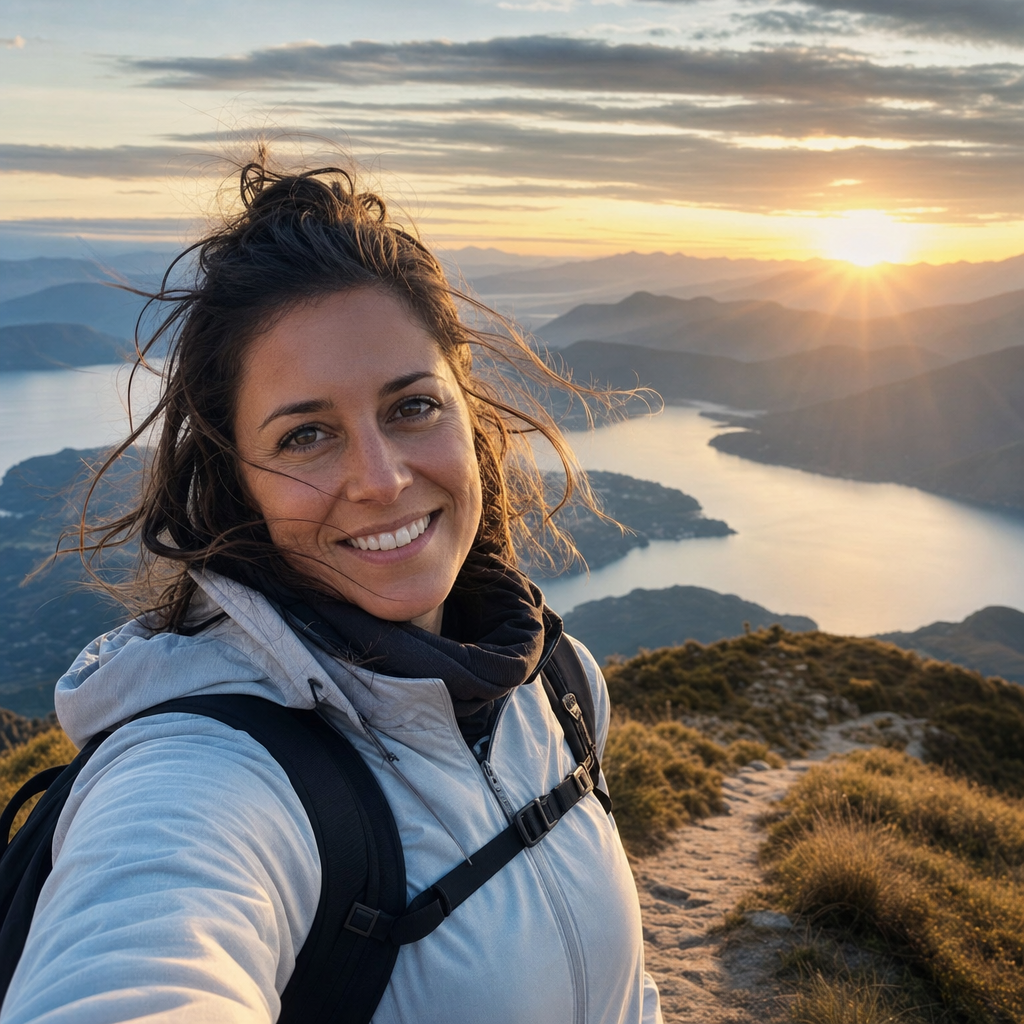
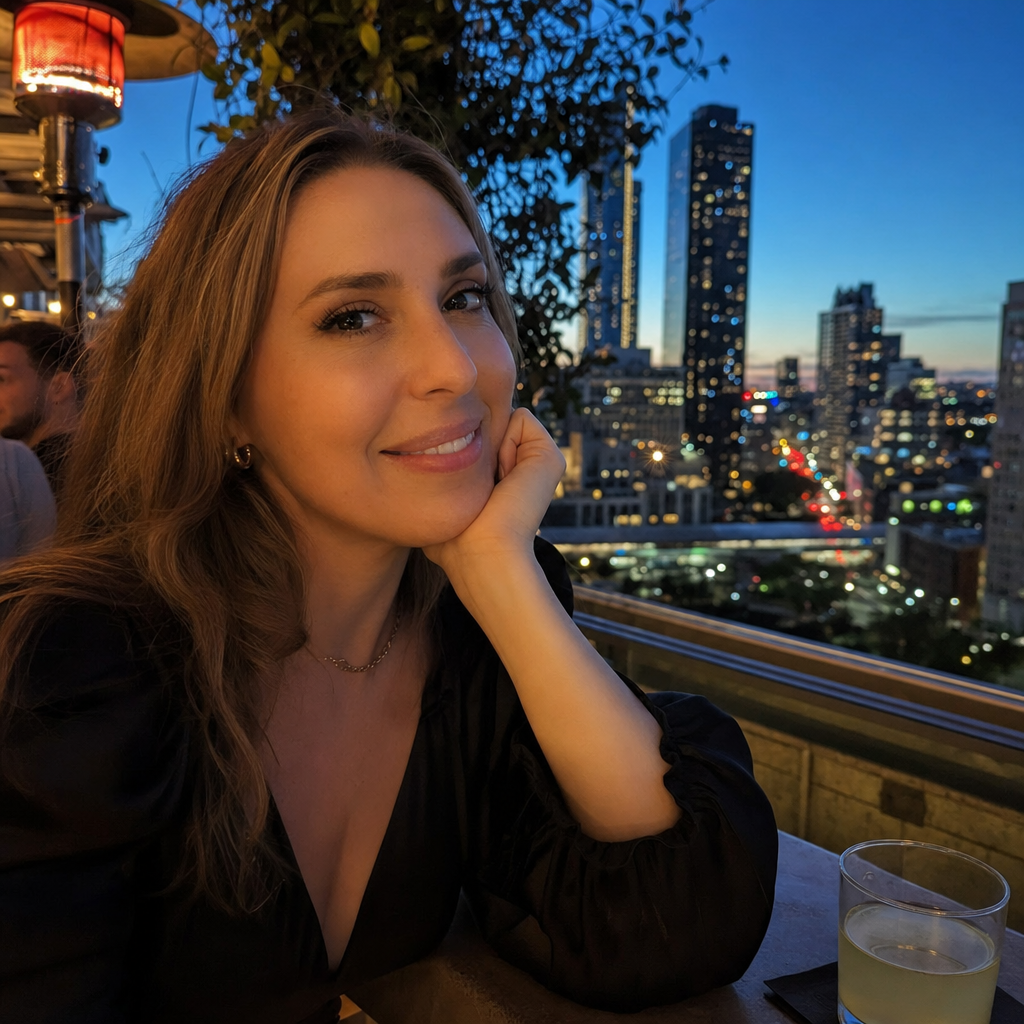
This lane is built around three variants tuned to the contexts where Bumble, Tinder, and Hinge profiles get decided. Casual reads everyday warm — the genuine indoor frame Hinge profiles tend to favor for the primary photo. Adventurous reads outdoor active — the kind of personality-forward shot that does heavy lifting on Bumble. Night Out reads urban evening — the rooftop or candlelit frame that fits the going-out tempo of Tinder. Pick the variant that matches the version of yourself the next photo should communicate. The interaction is the same across PicCanvas — upload, pick a variant, iterate, download HD.
The model preserves identity as a feature, not as a constraint. Your face stays exactly your face — that is the whole reason the output works as a real profile photo. The lighting that was muddy gets evened out. The background that was distracting gets cleaned up. The wardrobe reads as more cohesive. The version of you in the photo is the same version that walks into the first coffee — just shot under better light, against a backdrop that does not flatten the rest of the profile.
Three variants, no fluff. Casual for an everyday Hinge primary that reads genuine. Adventurous for the Bumble outdoor frame that signals you have a life. Night Out for the Tinder photo that reads as someone who actually goes out. Most users run their best source photo through two or three variants for a profile lineup that does not feel one-note across Bumble, Tinder, and Hinge at the same time.
How it works
- Upload your photo— Any clear, well-lit photo of you facing roughly toward the camera. Your face, expression, and body shape come from your upload. Files stay private and auto-delete after 24 hours.
- Pick a variant— Three tiles. Casual for the Hinge-leaning everyday primary. Adventurous for a Bumble outdoor active frame. Night Out for a Tinder evening urban frame. Each tile shows a real example of what the variant produces.
- Iterate to refine— First preview drops in seconds. Hit Try again to see another take inside the same variant — different background, refined lighting, tighter framing. Iteration is included in a single generation, up to four passes.
- Download HD— When the preview reads as a photo you would actually post on Bumble, Tinder, or Hinge, click Looks good. We render the final at full resolution and return a signed download link sized for any dating app upload.
Use cases
Primary photo on Hinge
Hinge rewards photos that read as genuine and lived-in. Run your best source through Casual to get the indoor-warm frame Hinge profiles use as the opener — without booking a studio.
Outdoor frame on Bumble
Bumble's culture leans active and outdoor. The Adventurous variant gives you the trail or coastal frame that does the heavy personality lifting on Bumble, from a single phone upload.
Going-out shot on Tinder
Tinder skews toward evening and social-life cues. Night Out produces the rooftop or candlelit frame that fits the tempo of the platform without misrepresenting an evening you didn't have.
Three-photo lineup across all three apps
Profiles read better when the photos don't all look like they were taken on the same afternoon. Run one source through Casual, Adventurous, and Night Out for a coherent lineup you can use across Bumble, Tinder, and Hinge.
Replacement for the bathroom-mirror selfie
Most profiles still carry the bathroom-mirror selfie problem — bad fluorescent light, cluttered counter, terrible angle. The enhancer takes that photo and gives you back the version you wished you had taken.
Frequently asked questions
- Will the photo still look like me?
- Yes — that's the whole point. Your face, facial structure, ethnicity, age, and gender are preserved exactly. What changes is the lighting, the background, the wardrobe rendering, and the overall photographic quality. The person in the photo is unmistakably the person who uploaded it.
- How many photos should I have on a Hinge or Bumble profile?
- Both apps support six photos. Most strong profiles use the full slate — a Casual primary, two or three variants showing range, and a couple of supporting shots. Empty slots read as low effort. Run one source through multiple variants to fill the lineup quickly.
- What makes a strong first photo on Tinder?
- Clear face, decent lighting, a background that signals something about you. Selfies underperform; framed shots win. The Night Out or Casual variant lands in the right register depending on whether you want the first photo to read everyday-warm or going-out.
- Which variant should I pick first?
- Casual is the safest default for the primary slot on any of the three apps because it reads as everyday and warm without trying too hard. Adventurous works as a strong second photo to add personality. Night Out is the third photo that completes the lineup.
- How is this different from a photo filter?
- A filter applies a global tonal change. This is full photographic re-rendering — lighting, background, outfit cohesion, and framing are all rebuilt around your face. The output is a different photograph of you, not a tinted version of the original.
- Can I iterate to compare two looks before downloading?
- Yes. Each generation includes up to four iterations on the same variant, and the credit only decrements once. Use the iterations to find the take that lands best for your particular source photo before committing to the HD download.
- What kind of source photo works best?
- A clear, in-focus photo where your face is visible, you're looking roughly at the camera, and the lighting is at least decent. Better source means better output — the model amplifies what is there rather than rebuilding from scratch.
- Are my uploads private?
- Yes. Originals land in a private bucket with a 24-hour automatic delete. Outputs live behind a CDN during your session. We do not retain photos beyond what is needed to enhance them.
- Do AI dating photos increase match rates on Bumble vs. Tinder?
- Match rates are downstream of the same variables that drive any dating photo: lighting, framing, expression, and whether the shot reads as genuinely you. A high-quality AI-enhanced photo performs comparably to a professional shoot when those variables are dialed in — and a bad one underperforms even a phone selfie. Bumble's outdoor-active culture rewards the Adventurous variant; Tinder's evening-social tempo rewards Night Out. Iterate inside the same generation until the lighting and framing land before downloading HD.
- Do dating apps like Tinder, Bumble, or Hinge detect AI-generated photos?
- None of the three actively run AI-detection on profile photos. What they do enforce is community-guideline language around catfishing and identity — your photos must be recognizably you. PicCanvas is a photo enhancer, not a face generator: the source upload is your real face, and the model preserves identity by design. Don't upload someone else's photo and don't pick a variant that flatters past the point of recognition. The output should still be obviously the person who shows up to the first date.
- What's the best photo order on Hinge vs. Tinder?
- Hinge prefers a strong solo lead with a clear face — a Casual primary lands the warm, indoor-everyday opener Hinge profiles use most. Tinder follows the same rule for the first slot: a clean solo headshot with decent light. From there, lead with Casual, follow with Adventurous as the personality-forward second photo, and use Night Out as the supporting evening-social shot. Both apps reward variety across the lineup; running one source through all three variants gives you that variety without making the lineup feel like three takes from the same afternoon.
- How realistic do AI dating photos look once you're on a video date?
- PicCanvas variants preserve facial structure, ethnicity, age, and gender by design — the same face that shows up on the profile is the face on the video call. The risk is over-flattering: if a particular render smooths skin or reshapes a feature past what reads as everyday-you, swap to a more natural variant or hit Try again before downloading HD. The goal is the version of you on a good day under good light, not a different person.